
Play at:PrizePicks

Real Time Gaming launched in 1998, and that longevity matters. Few casino software companies stick around long enough to refine their product across multiple technology shifts, and this provider has adapted from downloadable clients to instant-play sites and mobile-first design. If you want to know what’s behind many familiar casino lobbies, take a look at platforms powered by this provider and see how consistent performance and recognizable game mechanics keep players coming back. If you’re curious, check out casinos running their software like StakeClub Casino to get a feel for it in action.
Think of this casino software company as a veteran studio that iterates rather than reinvents. Founded at the tail end of the twentieth century, the team built a large catalog early on and then focused on stability, server-side jackpot networks, and back-office tools that make life simpler for operators. That background delivers a few practical player benefits: reliable load times, predictable game behavior, and widespread availability across operators. Compared to flashy newcomers, the provider’s games may look more classic, but they win on accessibility, long-running progressive pools, and tried-and-true mechanics that veteran players appreciate.
Several established casino brands use this platform because it’s flexible and integrates quickly with payment and loyalty systems. If you want to sample the library without guessing, try a platform like PrizePicks or check out a casino such as Tenex Casino. These operators highlight why partners pick this solution: fast setup, proven stability, and a familiar game roster that players recognize. Always confirm the casino’s licensing and terms before depositing.
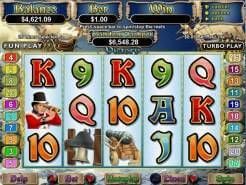
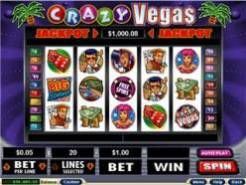
The provider has built its reputation on a broad range of titles that appeal to United States players. Their core strengths are slots—classic three-reel and modern five-reel machines with progressive jackpots—plus solid table game offerings like blackjack, roulette, and video poker. You’ll also find multi-hand blackjack formats and networked progressive slots that feed jackpot pools across sites. Two representative titles to try are Crazy Vegas Slots and Victory Slots, which show the mix of classic themes and big-win potential. The studio translates technical details like RTP, paylines, and volatility into player benefits: more frequent smaller wins, larger payout potential on volatile titles, or steady returns on lower-risk table games.
Safety comes down to a few clear signals: visible licensing, published RNG certification, and independent testing. Many casinos running this software publish audit seals or RNG reports from recognized labs, and reputable operators display their license information front and center. That said, verification is on you—look for the casino’s license, game audit certificates, and clear terms. Fair play doesn’t mean guaranteed wins, but it does mean the games use an RNG and are subject to testing. If you want extra peace of mind, pick casinos that publish third-party audits and have transparent payout reporting.
This platform moved to HTML5 and instant-play formats so players don’t need large downloads. On modern phones and tablets, most titles load quickly, resize cleanly, and use touch-friendly controls. The provider also supports geolocation tools that operators use to make sure you’re playing legally where required, and many partners offer mobile-first lobbies and apps. Expect a smooth session on mid-range devices; older titles can be lighter on resources, which helps when you’re on the go. If mobile payouts are a priority, look for operators that advertise “withdraw in under 24 hours” processing times and list supported payment methods in their terms.
Players praise the platform for usable interfaces, dependable performance, and long-running progressive jackpots. It’s often recommended for newcomers because games feel straightforward and consistent across casinos. On the flip side, critics point out that graphics and animations aren’t always cutting-edge compared to specialist studios, and live dealer offerings are more basic where they exist. Some operators using this provider may vary in quality, so the player experience can hinge on the casino’s customer service, payout speed, and bonus policies. Always read the casino’s terms and conditions for bonus rules and wagering requirements.
The engine powering a casino shapes almost everything you notice: game stability, fair-play reporting, jackpot behavior, and how quickly new titles arrive. A strong provider gives players consistent rules, reliable servers, and smoother cross-platform play. Conversely, the wrong tech partner can mean buggy games, unclear odds, and slow integrations that frustrate players. When you pick a casino, the software brand is as important as the welcome bonus—because it determines the quality of every session you’ll have.
To wrap up, this long-established casino software company offers a dependable game catalog, robust progressive features, and mobile-ready play that still appeals to many United States players. If you want to try a few representative games or see how the platform looks in a live lobby, check the sample slots linked above, or visit the provider overview at /real-time-gaming. When you find an operator you like, review their licensing, payout policies, and terms and conditions before depositing to make sure the experience matches your expectations.